
Blog
Articles, insights, and deep dives from the Arcanada team.

The Human at the Console: Procrastination, Switching, and the Long Game
The finale. Not about technology — about the human who built the system and still sits at the console eighteen hours a day. About procrastination, about how to keep from burning out by switching between projects, and about what it is all even for.
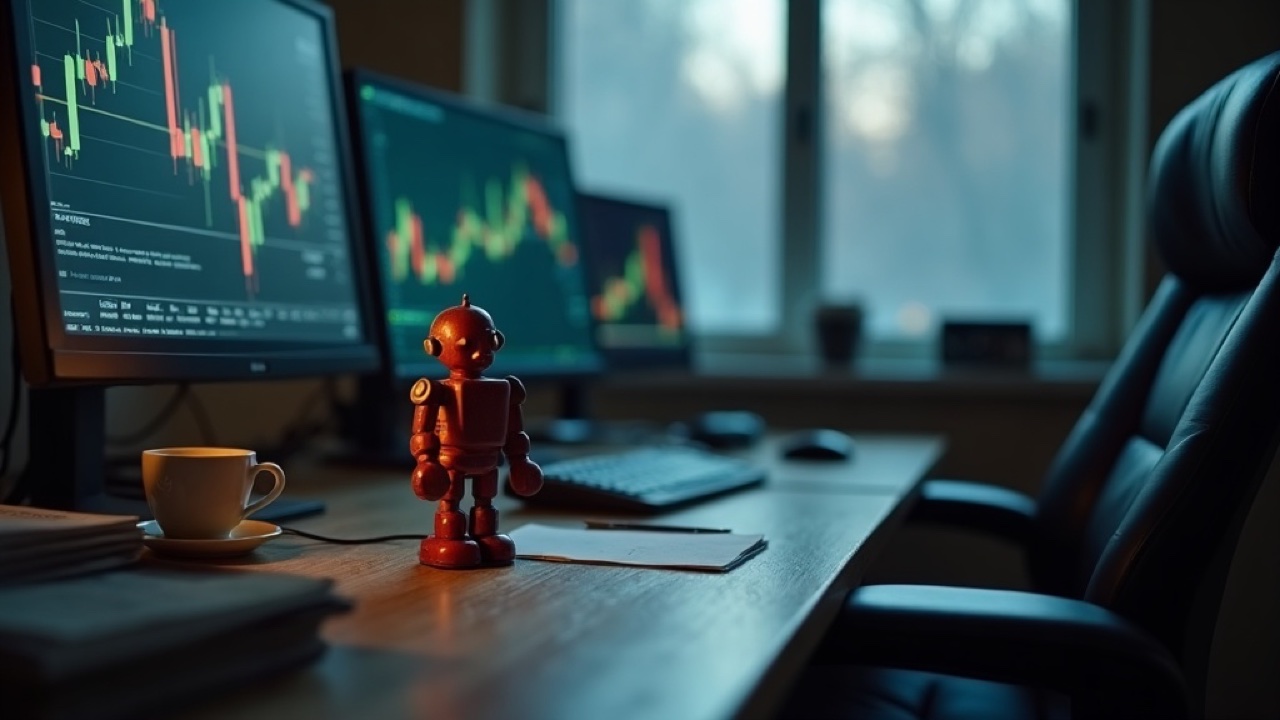
Angry Robot Deals: How Agents Revived a Project That Was Draining Me
How agents revived a personal trading project: they cleared the backlog, one robot has been running on Forex for a year — and the next step of trust: handing them a public Telegram channel to run on their own.

Seeing the Invisible: An Agent Graph on the TV
A status dashboard for Android TV — a native app that will put the task graph on a large screen. The goal: see agent activity without manual checks and notice stalls in hours, not days. Still a plan, not a finished system.
Your Own Disk vs Dropbox: A Red Ocean and the Right to Undercut
Disk Arcana — file sync built on an economics-of-ownership model: free and open on your own server, a small fee on someone else's. Why the giants can't follow.

From Voice to Meaning: Transcribator and Verdicus at Work
Transcribator combines speech recognition and speech synthesis, while Verdicus turns voice and screenshots into notes. Shared context between the products remains a roadmap; Verdicus App Store publication is the next step on that path.

Context Decides: How Two Agents Fixed a Database Without Knowing About Each Other
A case of cross-agent coordination through shared context, with no direct communication. What needs to live in a shared knowledge base for it to work.
Releasing the Reins: Autonomy, Trust, and the Art of Light Touches
Autonomy levels, the sandbox, an 18-hour continuous orchestration record, and the second-month takeaway: architecture beats the model.
Where the Month Went: From Virtual Machines to Bare Metal
The second article in the series. The month's main story is the migration of infrastructure from rented virtual machines to dedicated hardware. It is invisible from the outside, yet it explains the rise in complex tasks and why autonomous agents cannot be trusted with production without a solid foundation underneath.
The Second Month of Arcanada: Building Outward Is Over, Reinforcing Inward Has Begun
The first of a nine-part series. Over the second month the task flow stayed comparable — 340 against 341 — but the system stopped growing outward and started reinforcing inward. Hence the subjective sense of regression. This article is the big picture: qualitative shifts, task dynamics, two layers of AI cost, and an infrastructure rebuild.
When Agents Started Working on Their Own: How Autonomy Hit the Hardware Ceiling
Development autonomy on top of Datarim started closing tasks almost without a human — and load on the infrastructure jumped manyfold. Before a single sale, the question became: what hardware sustains agents that build products? A case study of a server auction, honest economics (+€132/mo, not savings), and a shift from infrastructure-as-code to infrastructure as the agent's service.